
Science programme

Cyanobacteria & Water Quality

Investigating the links between water quality, cyanobacteria, and reef health helps us better understand the environmental pressures facing coral reefs.

Introduction

Healthy coral reefs depend on balanced environmental conditions, including suitable water quality. As tourism and coastal development continue to grow across Raja Ampat, understanding how human activities may influence reef ecosystems is increasingly important. Cyanobacteria are naturally occurring microorganisms that play a role in marine ecosystems, but under certain conditions they can form dense mats that compete with corals and alter reef communities. Increased nutrient availability, changes in environmental conditions, and other ecosystem pressures can contribute to cyanobacterial growth and may indicate changes in reef health.

Barefoot Conservation's Cyanobacteria & Water Quality Monitoring Program investigates the relationship between cyanobacterial occurrence, reef condition, and environmental factors across multiple sites around Arborek Island. Through long-term monitoring, the project aims to improve understanding of reef health indicators and support sustainable management of marine ecosystems in Raja Ampat.

What We Monitor

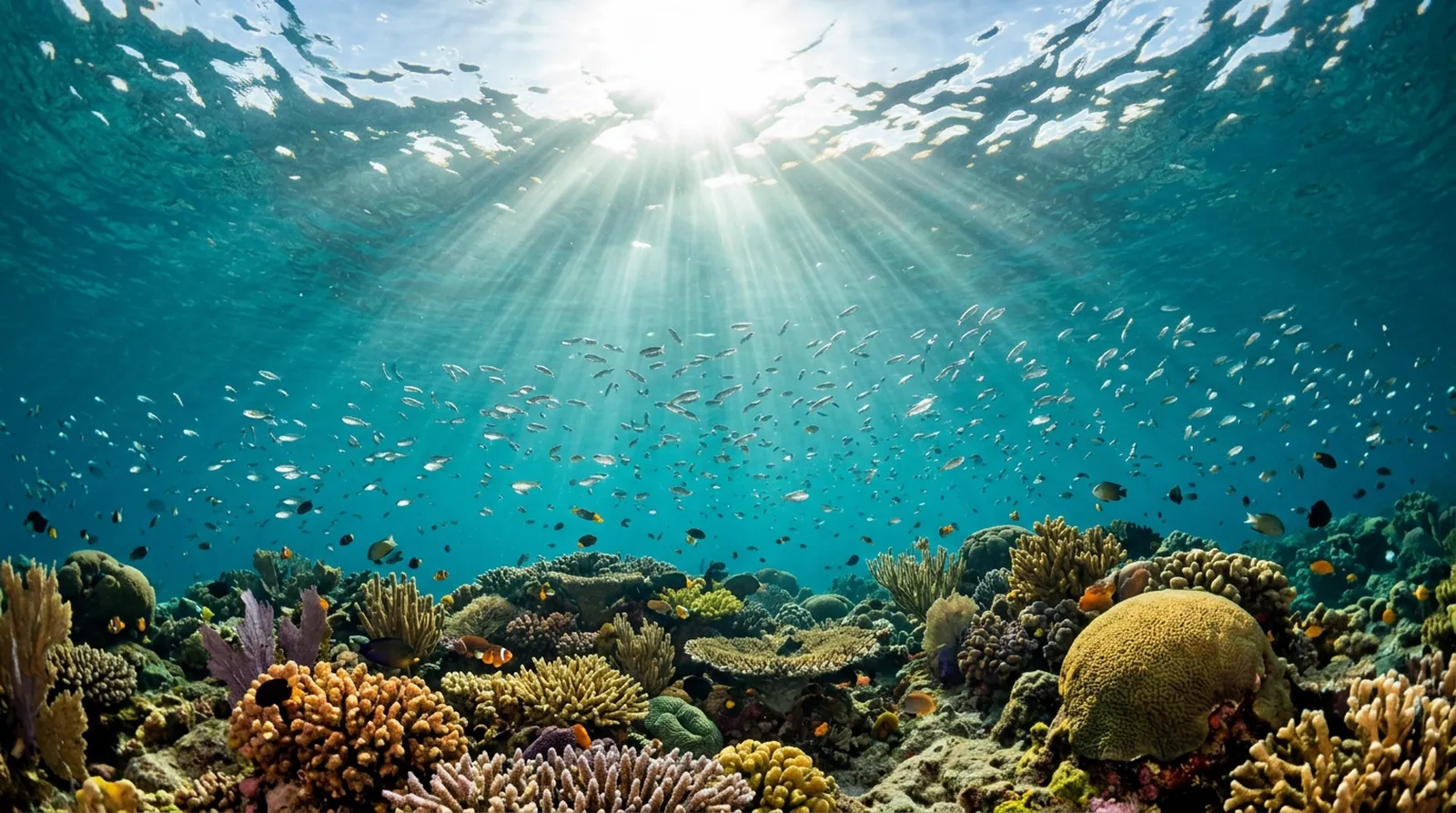
The project combines underwater ecological surveys with water quality monitoring to investigate factors that may influence cyanobacterial growth and reef health.

Monitoring includes:

  • Cyanobacterial mat coverage and distribution
  • Benthic reef composition and habitat characteristics
  • Water quality parameters associated with reef condition
  • Changes in cyanobacteria abundance over time
  • Environmental factors that may influence reef ecosystem dynamics

By combining ecological observations with environmental data, the project helps build a clearer understanding of the processes influencing reef health and resilience.

What you would actually do

Participants gain experience in marine environmental monitoring and contribute to ongoing scientific research through both underwater surveys and laboratory-based data collection.

Activities may include:

  • Conducting underwater cyanobacteria surveys
  • Collecting benthic imagery for reef assessment
  • Completing water quality sampling
  • Recording environmental observations
  • Processing and analysing ecological imagery using ReefCloud
  • Assisting with data organisation and interpretation

Through participation, volunteers and students develop skills in scientific diving, ecological monitoring, environmental assessment, and the use of modern marine research tools.

Project outcomes

The Cyanobacteria & Water Quality Monitoring Program provides important baseline data on reef condition and environmental change around Arborek Island. By tracking cyanobacterial patterns alongside water quality and benthic conditions, the project aims to identify potential drivers of reef stress and improve understanding of ecosystem responses. Water quality data collected through the project are shared with BLUD UPTD Pengelolaan Kawasan Konservasi di Perairan Kepulauan Raja Ampat to support local marine management and conservation decision-making.

These data contribute to improved understanding of coastal water conditions and help inform sustainable practices that protect coral reef ecosystems. Through continued long-term monitoring, the project aims to support evidence-based conservation strategies that protect Raja Ampat's reefs while promoting sustainable tourism and community development.

Train on this programme.

No previous scientific experience is required. All training is provided by our science team.

From £1,895
4–5 weeks

Apply